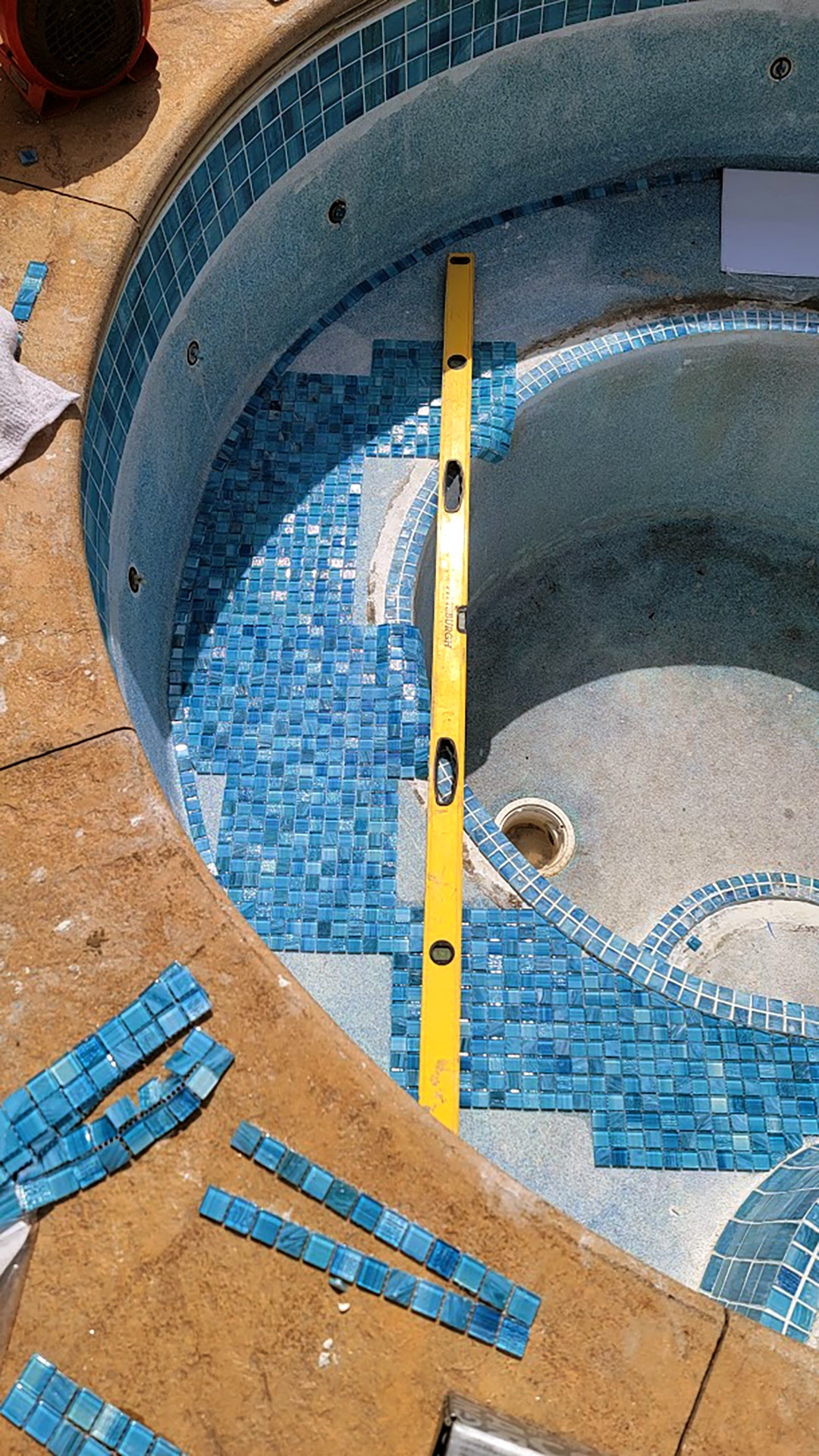
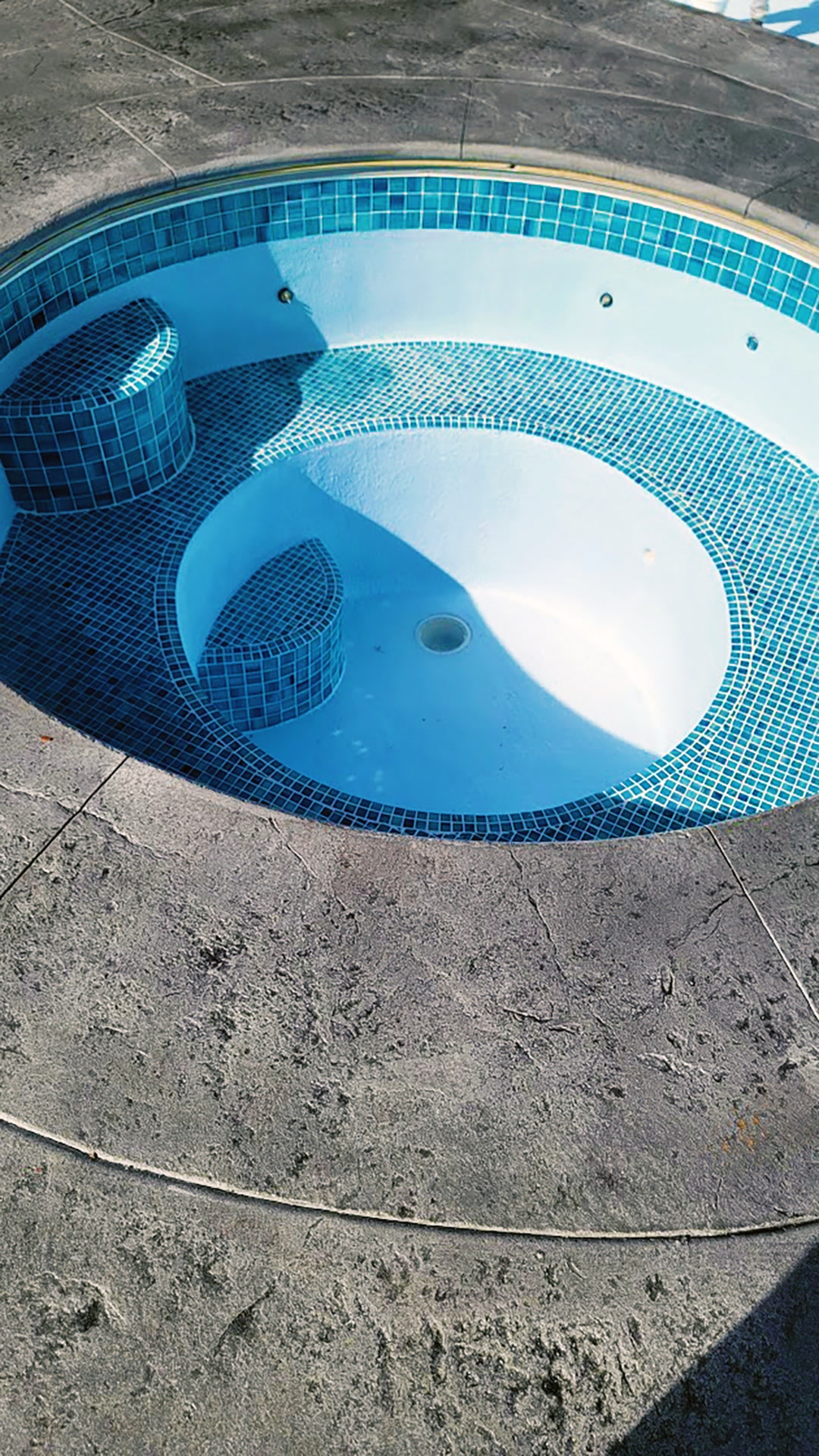
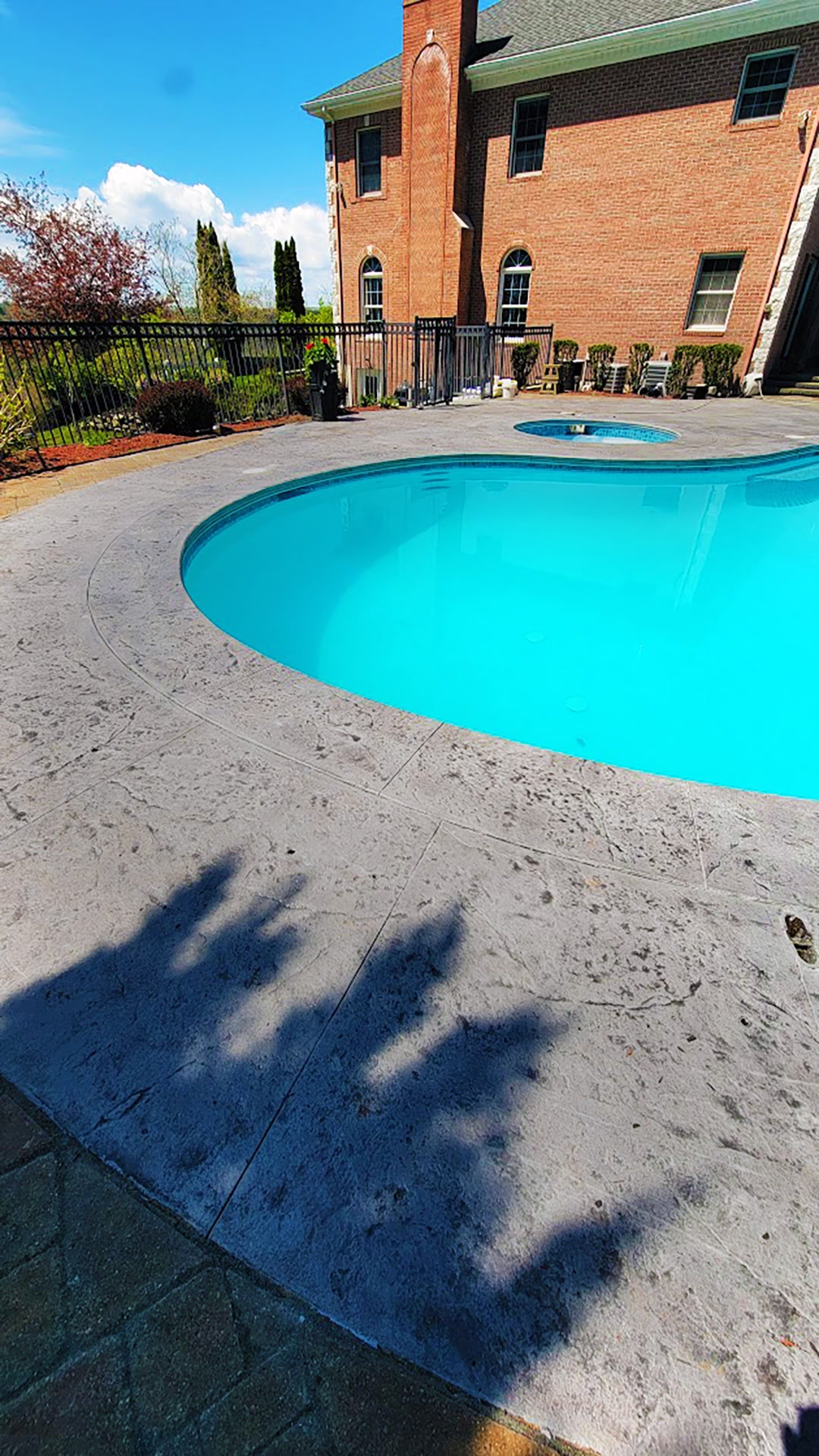
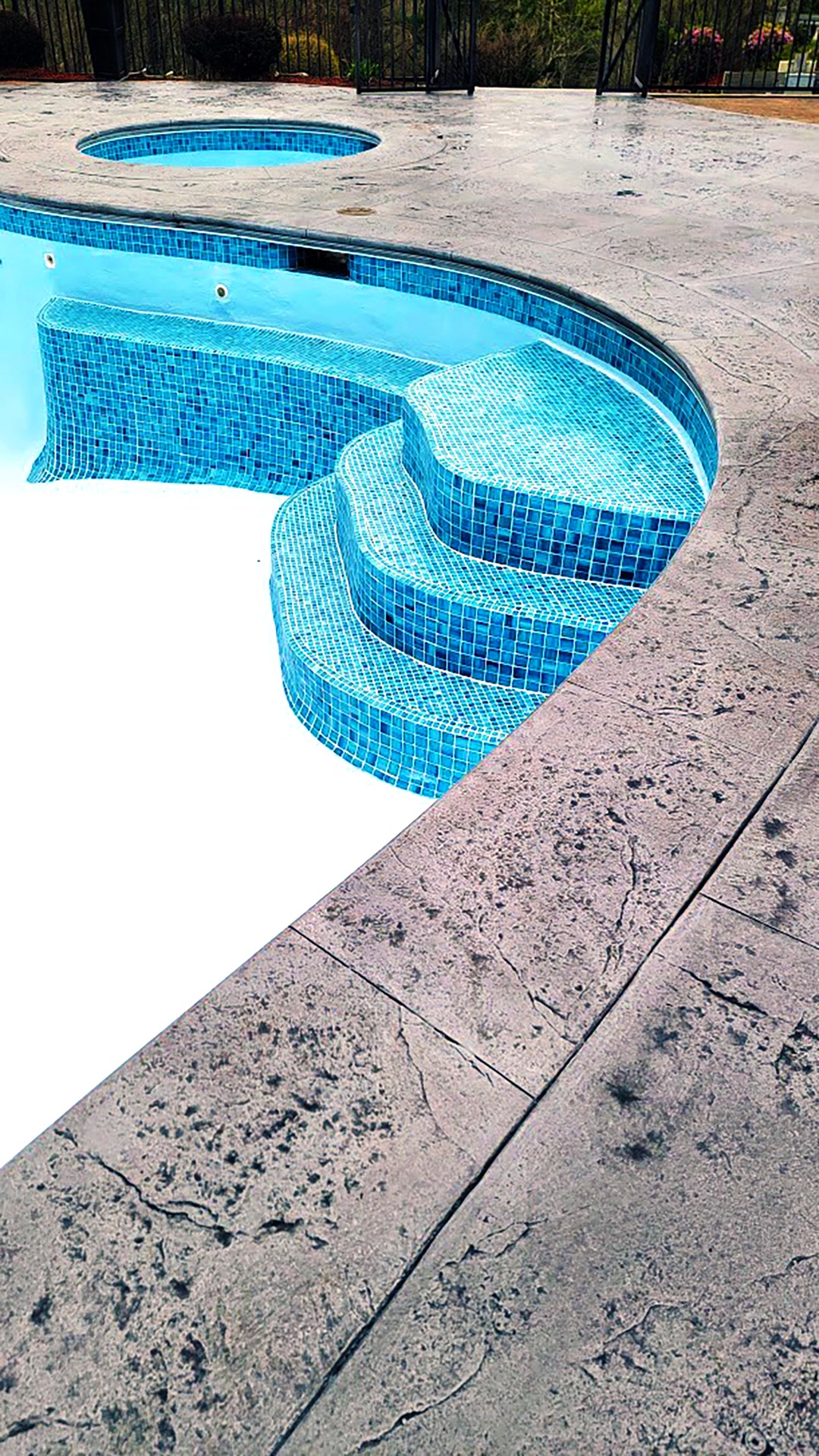
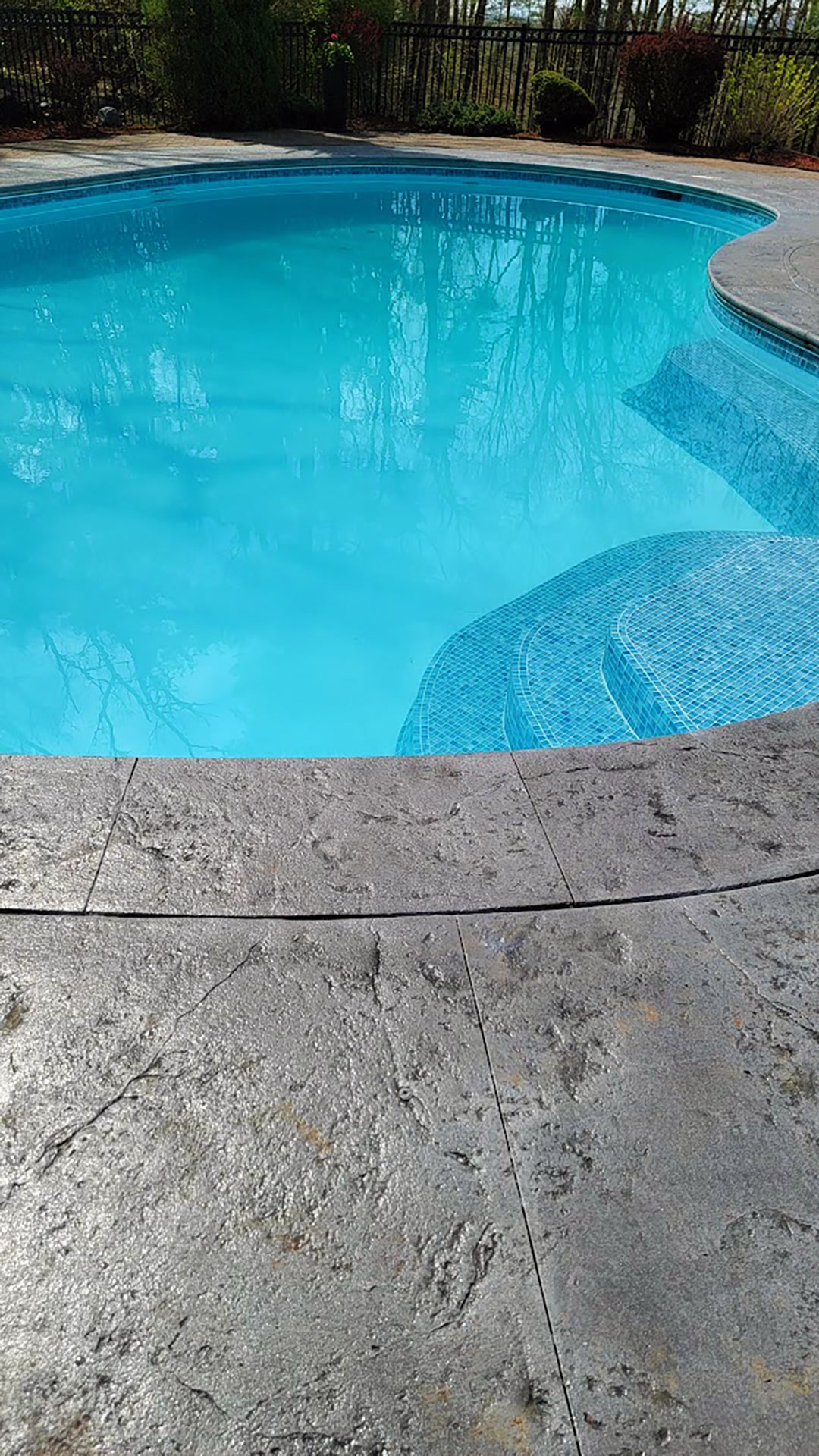
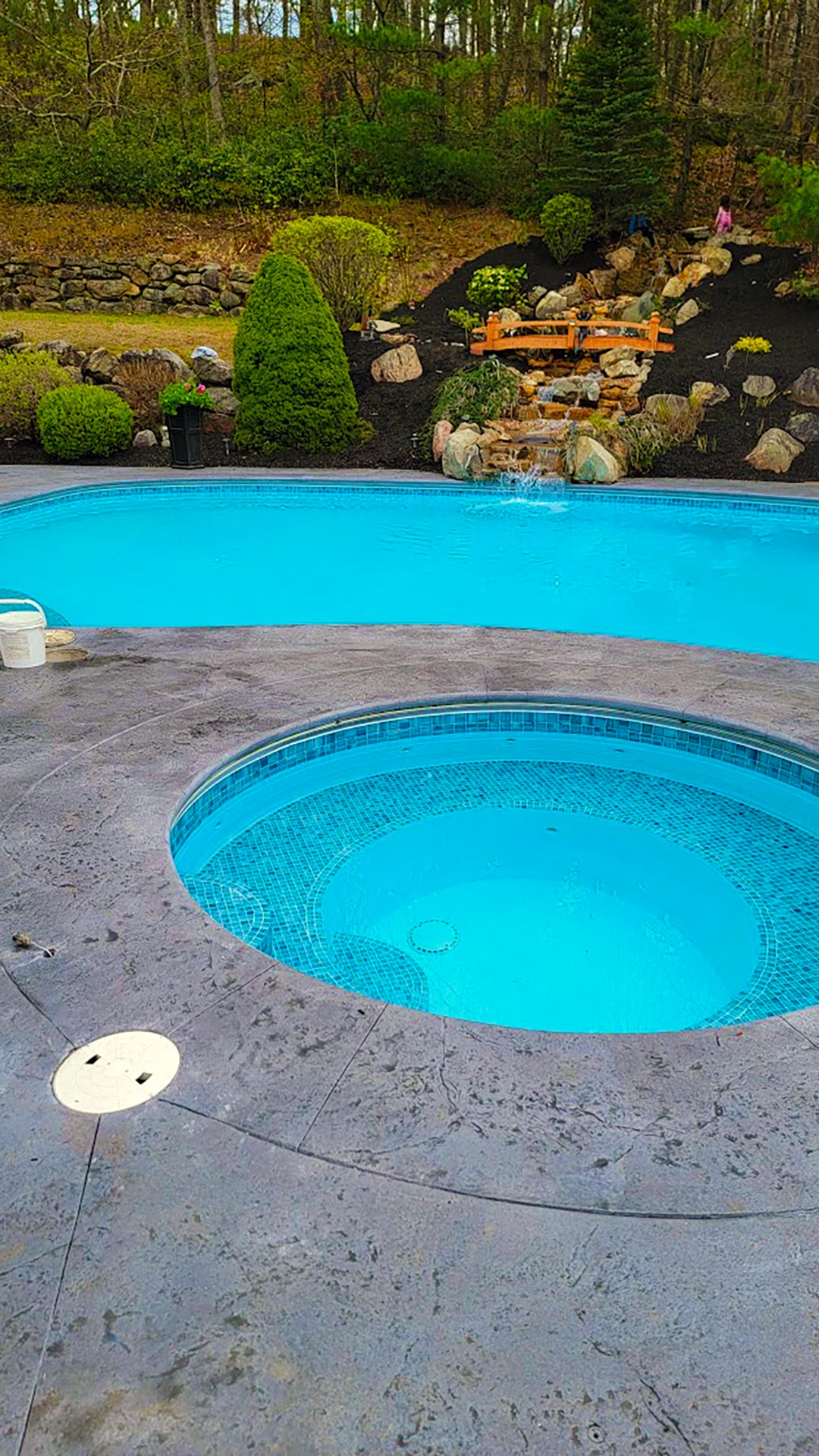
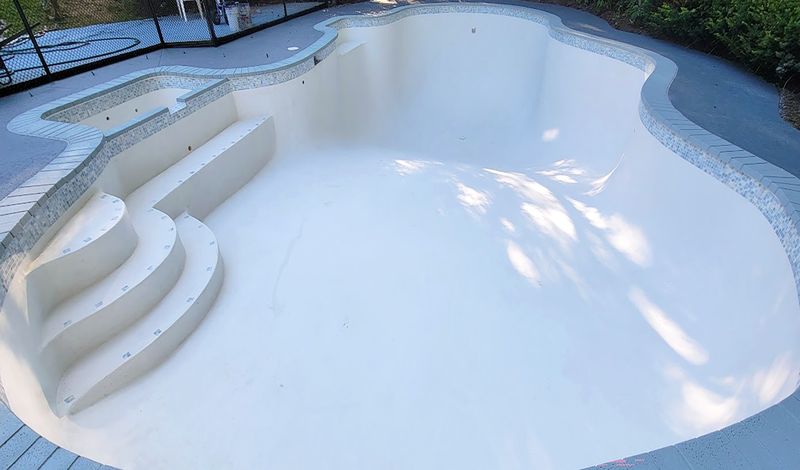
Smooth, durable interior pool plaster restoration using polymer concrete. We restore cracked, stained, and rough surfaces to a flawless finish.
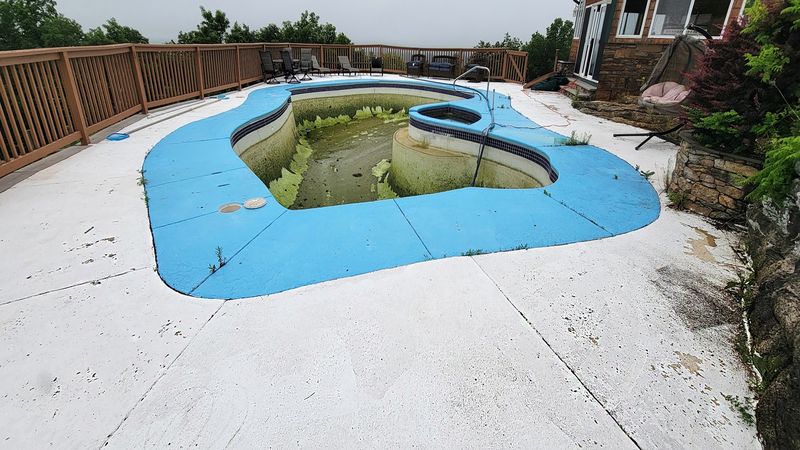
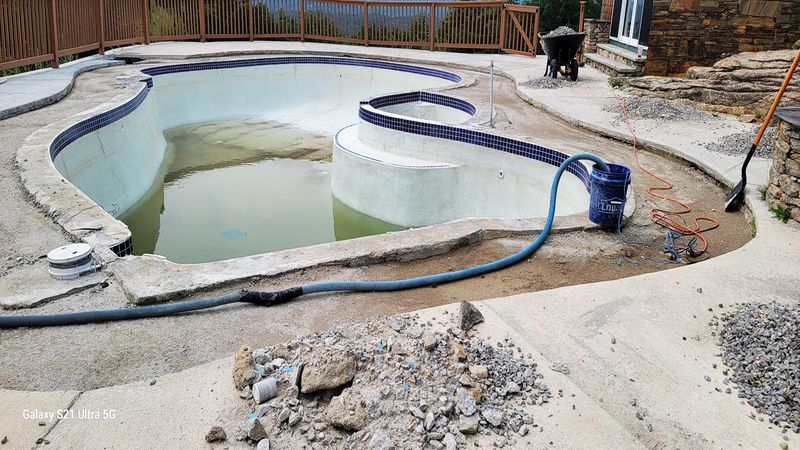
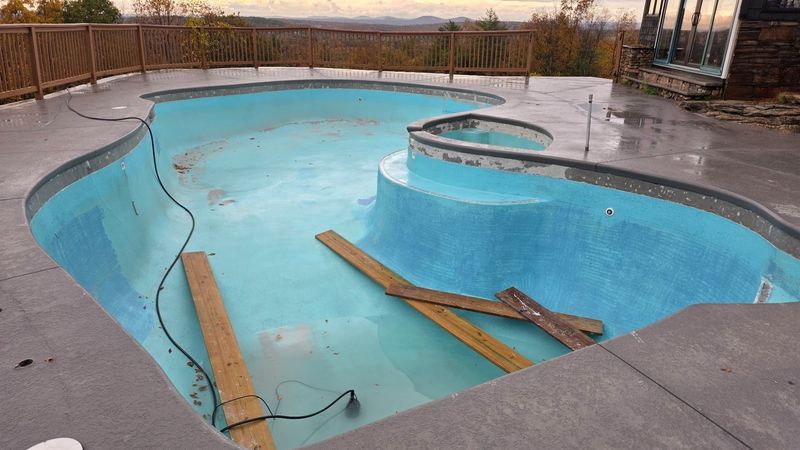
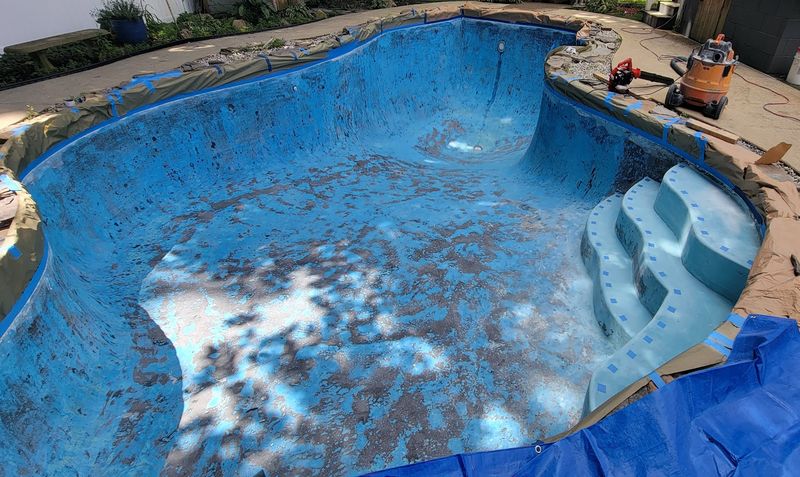
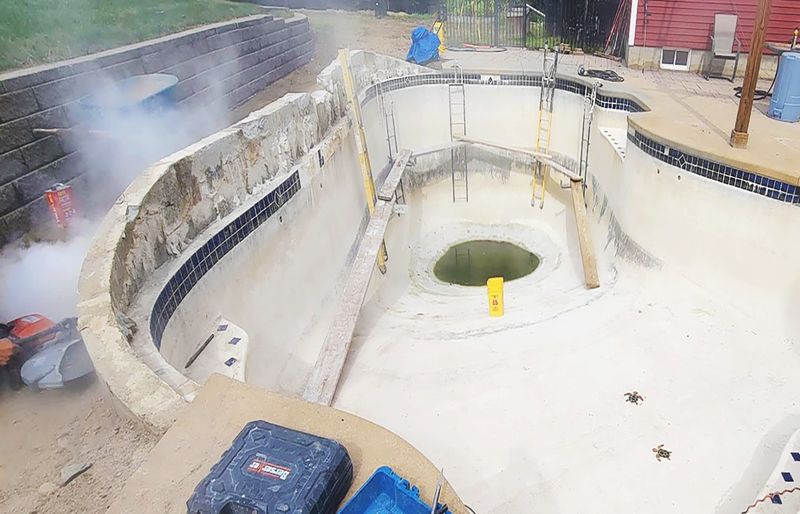
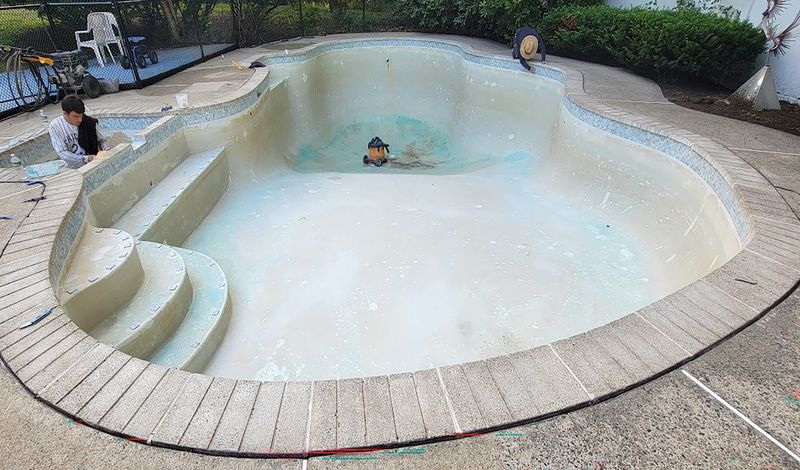
Get a Free EstimateThe interior surface of a swimming pool takes constant punishment. From the moment it contacts water, pool plaster begins a slow process of chemical interaction — calcium leaches out, the surface becomes porous, and staining compounds from minerals, algae, and chemicals work their way in. Standard white plaster, the most common interior finish for gunite pools, typically shows visible signs of wear within 10 to 15 years: roughness that scratches feet and snags swimsuits, persistent staining that no amount of chemicals can correct, small cracks that grow into larger ones, and in advanced cases, full delamination where sections of plaster lift away from the shell. Quartz and pebble aggregate finishes hold up longer cosmetically but fail for the same structural reasons. Whatever your existing interior finish, Total Design Concrete can assess it and prescribe the right restoration approach.
Beyond cosmetics, a deteriorating pool interior is a functional problem. A rough plaster surface traps algae and makes the pool significantly harder to maintain — chemical demand increases, and even aggressive brushing can't keep the surface clean. Cracks in the plaster are not just ugly; they allow water to migrate behind the shell, which can undermine the surrounding soil and lead to structural issues that are far more expensive to correct. Addressing pool plaster early — when staining and roughness first appear — is far less costly than waiting for cracks and delamination to develop.
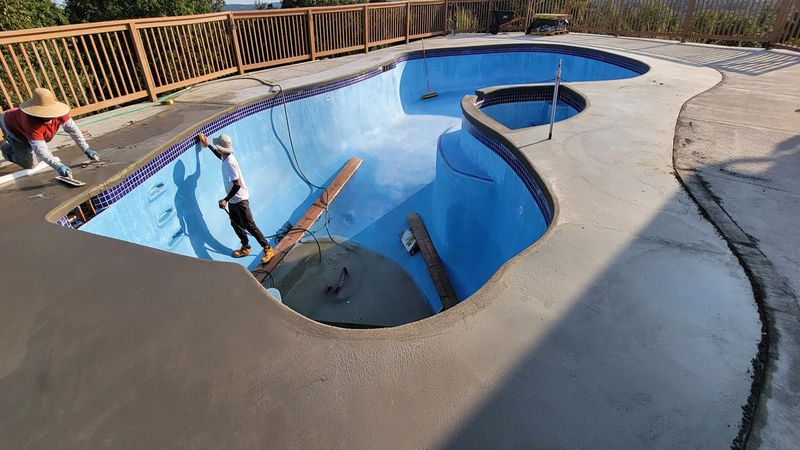
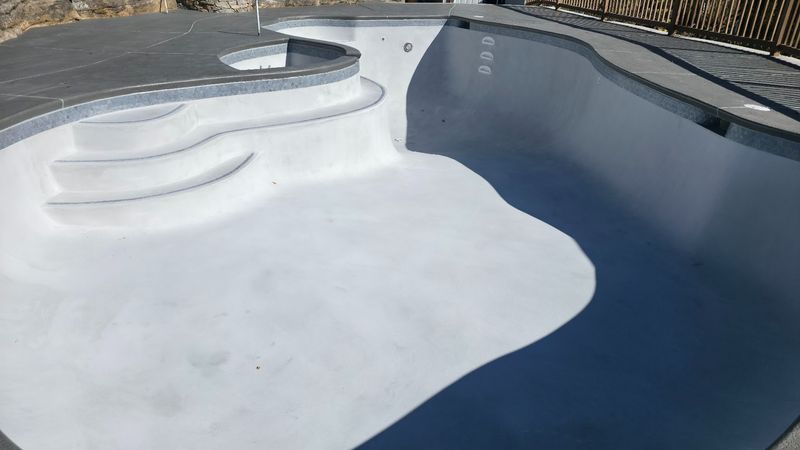
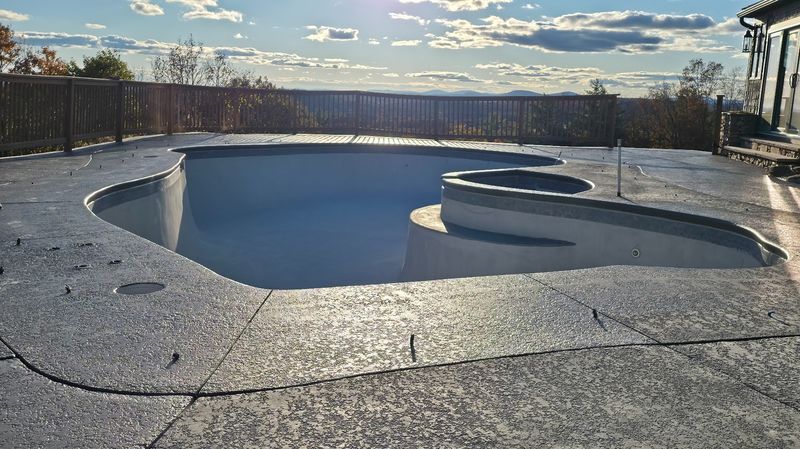
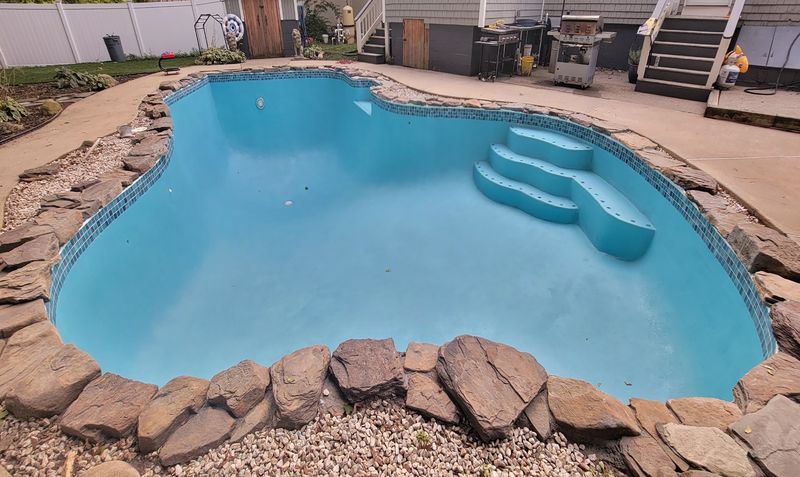
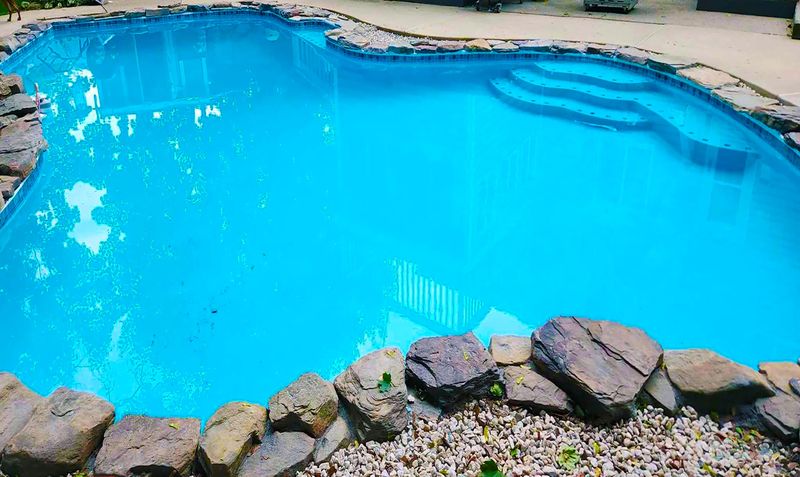
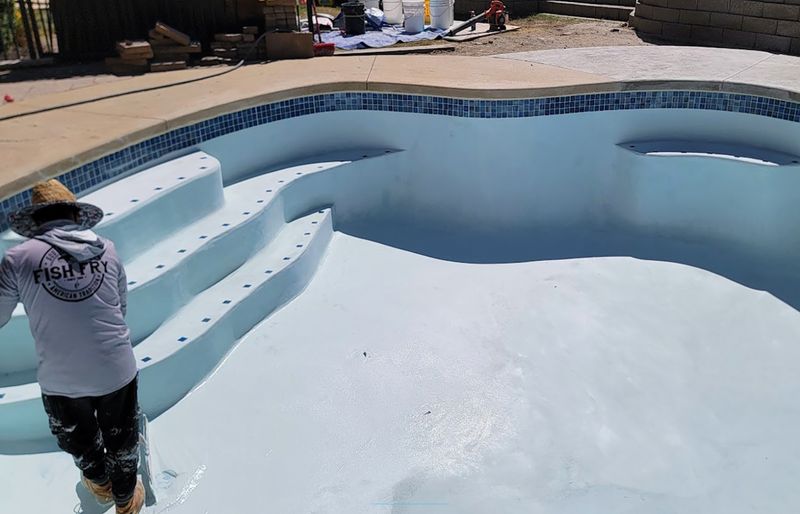
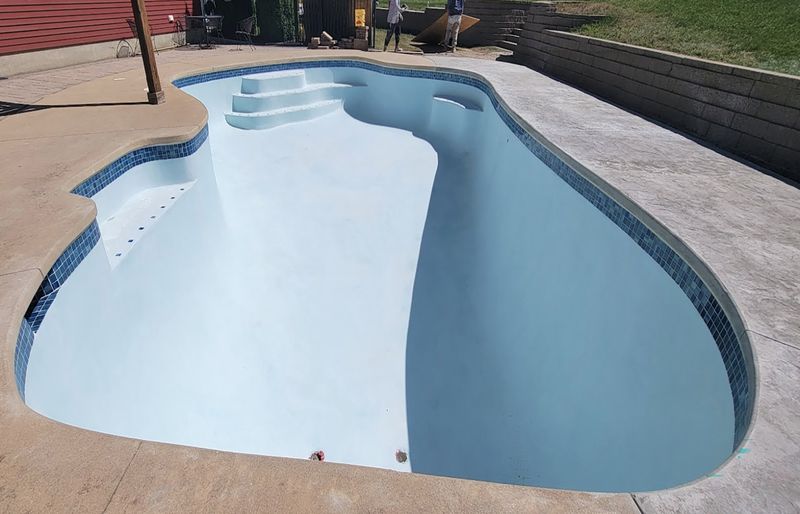
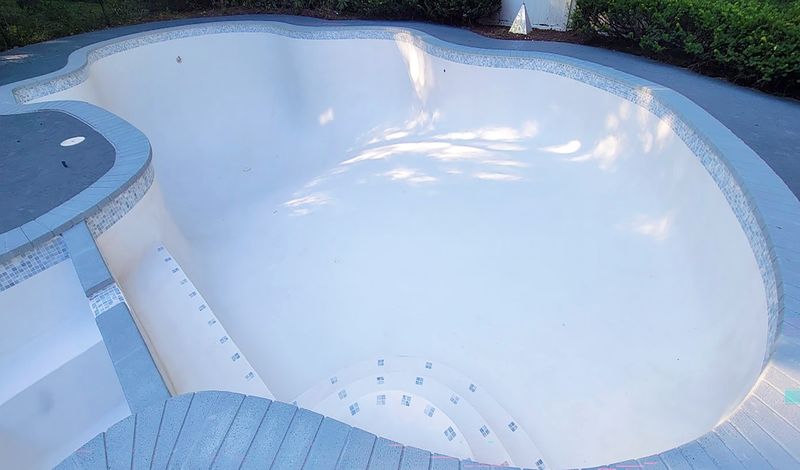
Total Design Concrete's interior plaster restoration system uses advanced polymer concrete technology that outperforms traditional white plaster in every meaningful way. Our polymer-modified resurfacing material bonds directly to the existing pool shell without demolition or chipping — the chemical bond between the new surface and the existing substrate is stronger than the original plaster. The resulting surface is denser, harder, and more resistant to chemical attack than standard plaster. It resists the staining compounds that plague white plaster, it won't roughen in the same way, and it handles the freeze-thaw demands of New England winters without cracking. The material can be tinted to a range of colors and can be finished smooth or with a subtle texture, giving homeowners real design flexibility. Most interior plaster restorations are completed in three to five days, and the pool can typically be filled within 24 hours of final application.
Call us today or send photos of your pool interior for a free plaster restoration estimate.
(888) 372-0907 Request Your Free Estimate